
Abstract Expressionism: Emotion Over Representation
Discover how abstract expressionists freed painting from literal representation and created work that speaks directly to the viewer's emotions and intuition.

Breaking Free From Representation
Abstract expressionism emerged in the 1940s as a radical departure from everything that came before. Artists stopped asking "what should I paint?" and started asking "how do I make people *feel*?" There's a fundamental shift happening here—one that transformed modern art forever.
The movement didn't happen overnight. It grew out of surrealism, abstraction, and a post-war desire to express something bigger than just visual reality. What you're seeing in these paintings isn't a landscape or a portrait. It's pure emotion translated into colour, gesture, and form. That's the whole point.
The Philosophy: Action and Intent
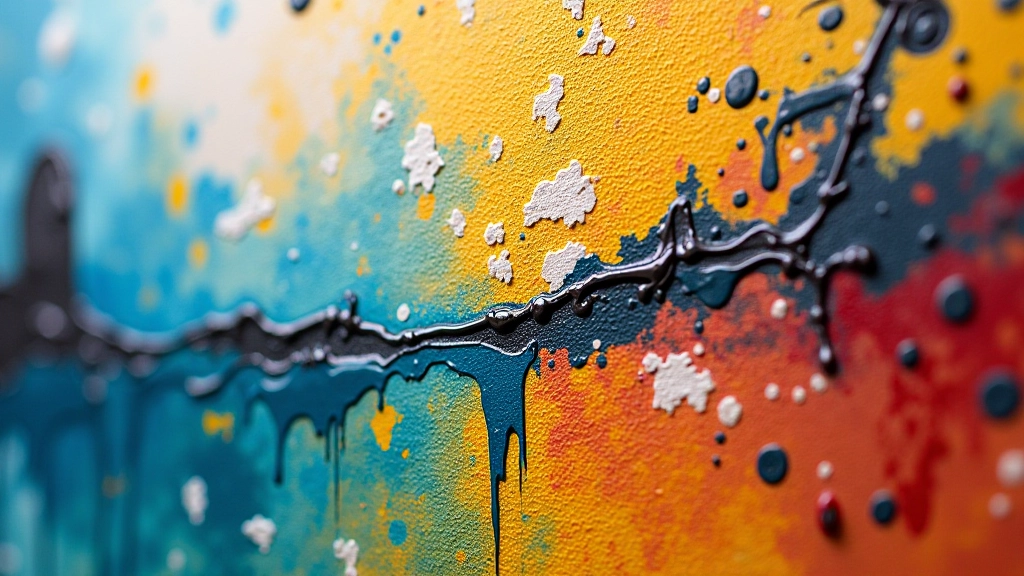
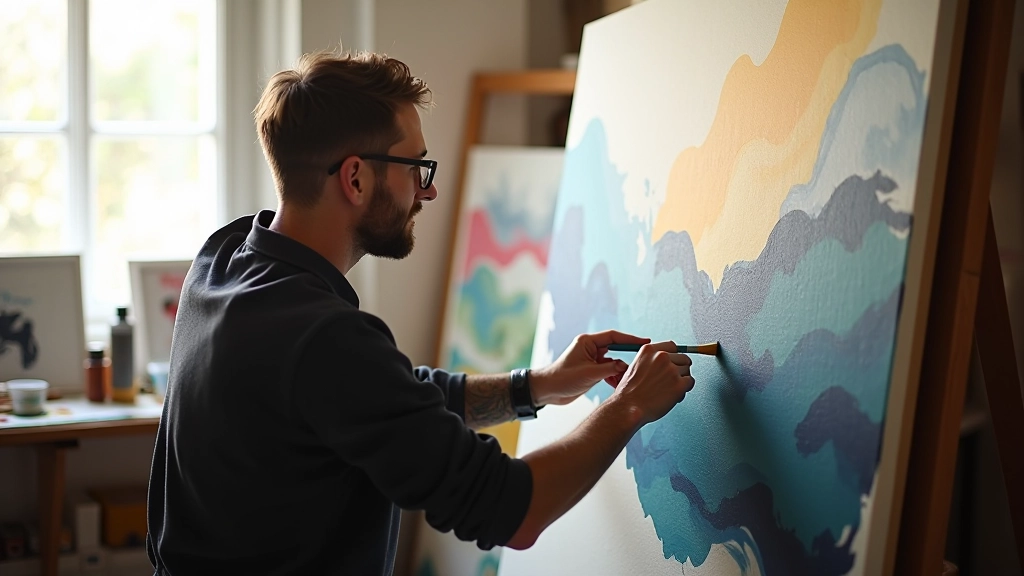
You've probably heard the term "action painting." That's not just a description—it's the entire philosophy. The act of creating becomes the subject matter. Every mark, every drip, every bold sweep of colour is intentional. Jackson Pollock didn't splash paint randomly. He moved across the canvas with precision, control, and purpose. His work required intense focus and physical engagement.
What makes abstract expressionism different from pure abstraction is this emphasis on the artist's gesture. You're seeing the actual process. You're witnessing how the work was made. There's honesty in that—no hiding behind technique, no pretending to be something you're not. Just raw creative energy made visible.
The paintings challenge viewers too. You can't just look at them passively. You've got to engage. What colour combinations move you? What marks resonate? Why does this particular composition feel intense or calm? These aren't rhetorical questions—abstract expressionists genuinely wanted you thinking about them.
How to Actually Look at These Works
There's no "correct" way to interpret abstract expressionist work. That's liberating and also slightly terrifying, right? You can't be wrong. Your emotional response IS the meaning. If a painting feels aggressive, it's aggressive to you. If it feels meditative, that's what you're experiencing.
Start by standing in front of the work. Really stand there. Don't rush past it. Notice the scale—many abstract expressionist paintings are enormous, sometimes 8 feet tall or wider. That size matters. It's immersive. You're meant to be surrounded by colour and gesture.
Look at the surface. Can you see how the paint was applied? Dripped? Poured? Gestured with a brush? The texture tells you about the artist's process and energy level.
Consider the colour relationships. How do warm tones interact with cool ones? Are there areas of rest or is the entire surface active? Does your eye move around the canvas or does it settle in one spot? These observations aren't art-school answers—they're your actual visual and emotional experience.
Why Collectors Are Drawn to Abstract Expressionism
Collectors aren't investing in abstract expressionism because it matches their sofa. They're drawn to these works because they're genuine. There's no pretence. An abstract expressionist painting can't lie—it reveals the artist's emotional state, their energy, their technical skill, and their vision all at once.
There's also the historical significance. Pieces from the 1950s and 60s represent a pivotal moment when American artists challenged European artistic dominance. Artists like Mark Rothko, Helen Frankenthaler, and Joan Mitchell created work that influenced everything that came after. Owning an original abstract expressionist painting means owning a piece of art history.
But here's what really matters: living with abstract expressionism changes how you experience colour, form, and emotion daily. You're not hanging decoration. You're living with a work that demands engagement and offers something different every time you look at it.
Commissioning Contemporary Abstract Work
You don't have to buy historical pieces. Contemporary artists working in abstract expressionist traditions create powerful work today. Commissioning an original abstract expressionist painting is entirely different from buying off the wall. You're collaborating with the artist on scale, colour palette, and emotional direction.
A commission typically begins with conversation. What colours speak to you? Are you looking for something energetic or contemplative? What size would work in your space? Do you want gestural marks or a more colour-field approach? These conversations matter because they help the artist understand your vision.
The process takes time. A substantial abstract expressionist painting might take 3-6 months from initial concept through completion. The artist needs to source materials, develop the composition, execute the work, and let it fully dry and cure. That timeline produces better results than rushing.
Original abstract expressionist works are created on museum-quality materials using professional-grade acrylics or oils. These paintings are built to last decades and develop a patina that only improves with time.

Making the Connection
Abstract expressionism asks you to trust your intuition. It says that emotion is valid, that colour combinations matter, that gesture and mark-making communicate real meaning. In a world obsessed with literal representation and explanation, that's revolutionary.
Whether you're discovering these works for the first time, building a collection, or considering a commission, remember this: you're engaging with art that was created to move you. There's no right answer about what it means. Your response is the only interpretation that matters.
Ready to Explore Abstract Expressionist Work?
Whether you're interested in understanding the movement deeper, viewing original works, or commissioning a contemporary piece, we're here to guide you through the process.
Get in TouchDisclaimer: This article provides educational information about abstract expressionism as an art movement and philosophy. Interpretations of abstract art are subjective and personal. When considering collecting or commissioning artwork, we recommend consulting with art advisors, galleries, and professionals in the field. Art values, authentication, and provenance should always be verified through appropriate channels. Our studio specializes in contemporary abstract expressionist work created in Portugal, and we're happy to discuss commissions and original pieces with interested collectors.
Explore Related Articles