Commissioning Original Fine Art: The Complete Process
Everything you need to know about working with an artist on a custom commission, from initial consultation through delivery
Why Commission Original Art?
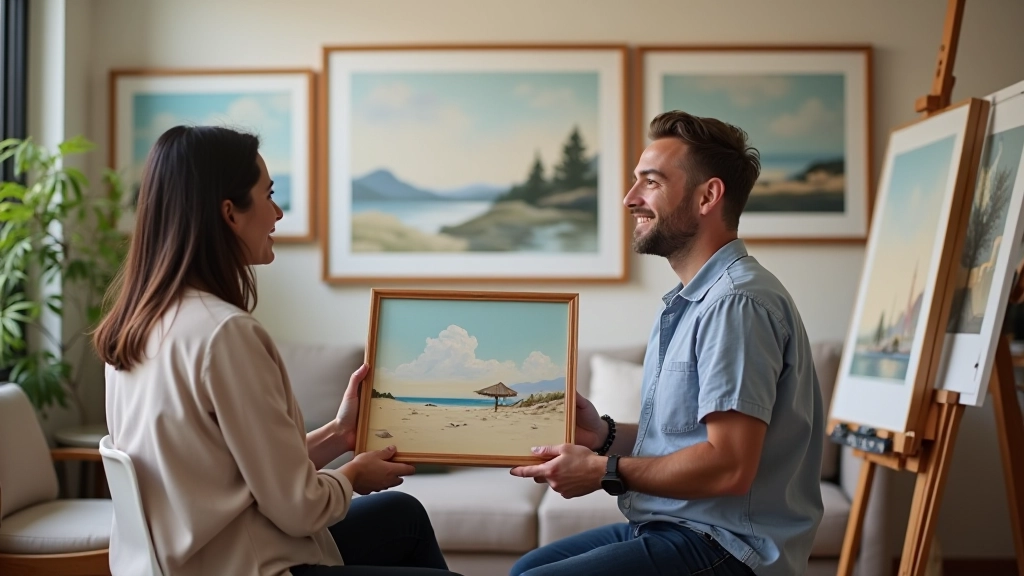
Commissioning original fine art isn't just about getting a painting. It's about creating something that speaks directly to you — a piece that captures your vision, your space, your story. Unlike prints or mass-produced work, a commissioned piece carries the artist's hand, their technique, and their response to your specific needs.
Whether you're drawn to landscape oils, watercolour seascapes, or abstract expressionist works, understanding the commission process helps you make informed decisions and builds a collaborative relationship with the artist. We'll walk you through each stage so you know what to expect.
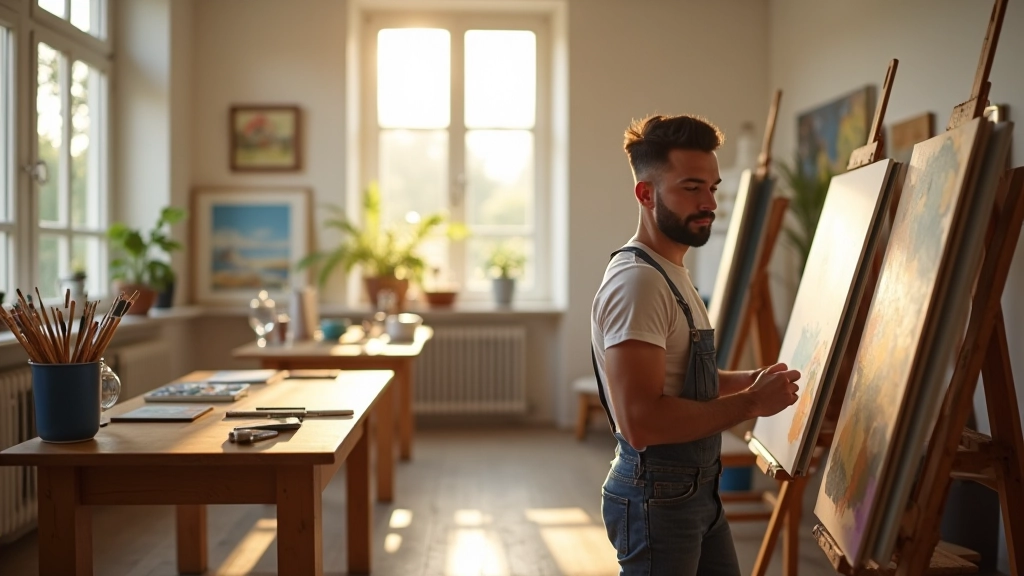
Five Stages of Creating Your Commissioned Piece
From conversation to completion, here's how original art gets made
Initial Consultation
You'll meet with the artist to discuss your vision. What's the subject? What's the mood? What size works for your space? This conversation shapes everything that follows. Most consultations last 45 minutes to an hour and cover dimensions, medium (oil, watercolour, acrylic, mixed media), colour palette, and your timeline.
Concept Development & Sketches
The artist creates preliminary sketches — usually 2-4 concepts — showing composition, perspective, and overall approach. You'll review these and provide feedback. This stage typically takes 1-2 weeks. Don't worry if nothing's perfect yet. Sketches are meant to be refined based on your input.
Refinement & Approval
After your feedback, the artist refines the chosen concept. They'll develop colour studies, adjust proportions, and finalize the composition. You'll see refined sketches and potentially a colour mockup. This collaborative back-and-forth ensures the final painting will meet your expectations before brush meets canvas.
Creation & Progress
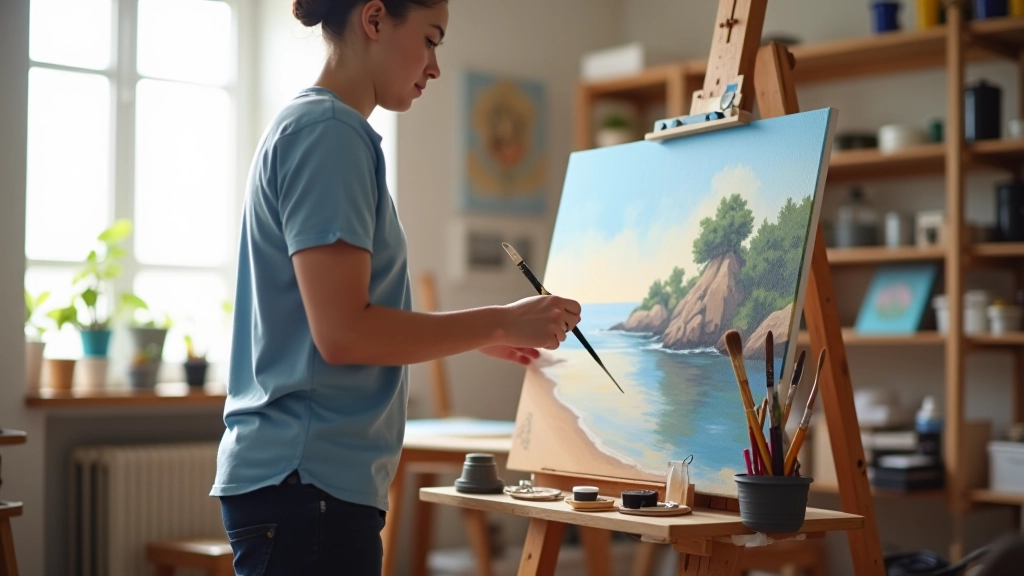
The artist begins painting. Depending on size and complexity, this phase can take 4-12 weeks. Most artists provide progress updates — photos showing the underpainting, mid-stage development, and near-completion versions. You'll watch your piece come to life. This isn't passive. You're seeing the technique unfold.
Completion & Delivery
The finished painting is carefully prepared for delivery. The artist handles framing consultations if needed, ensures proper packaging, and arranges shipping or hand delivery. You'll receive the completed work ready to hang. Many artists also provide care instructions for maintaining your piece long-term.
Setting Realistic Expectations
Commissioning original art requires patience. You're not ordering from a catalogue — you're collaborating with a creative professional. Timelines vary. A small watercolour seascape might take 6-8 weeks from concept to completion. A large abstract expressionist oil painting could take 4-5 months. The artist balances your project with their other commitments.
Cost reflects materials, time, and the artist's experience. Original fine art isn't cheap. You're investing in a one-of-a-kind piece that'll last decades. Canvas quality, paint grade, framing materials — these all factor into pricing. An experienced artist with a strong portfolio charges more because their work carries proven value.
Revisions are part of the process, but they've got limits. Most artists include 1-2 rounds of feedback during the sketch phase. Major changes after painting has begun aren't free — they require additional time and materials. That's why the approval stage matters. Get it right before the real work starts.
Key Considerations Before You Commission
Ask yourself these questions to ensure a successful collaboration
What Medium Speaks to You?
Oil paintings have depth and luminosity. Watercolours offer transparency and fluidity. Acrylics dry fast and allow bold application. Abstract expressionism emphasizes emotion over representation. Know which appeals to you before approaching an artist.
What Size Is Right?
A 12x16 inch piece feels intimate. A 36x48 inch canvas commands a room. Consider your wall space, the viewing distance, and how the work will function in your environment. Larger pieces take longer and cost more — both materials and artist time.
What's Your Timeline?
Rushing an artist compromises quality. Budget at least 3-4 months for a standard commission. If you need something faster, discuss it upfront — the artist may accommodate a rush fee, or they might not have capacity. Honesty about timelines prevents disappointment.
Does the Artist's Style Match Your Vision?
You can't commission a realistic landscape from an abstract expressionist and expect the same result. Look at the artist's portfolio. Do their past works resonate with you? A strong artist-client match makes the entire process smoother and more satisfying.
Is There a Written Agreement?
A commission contract protects both you and the artist. It outlines specifications, timeline, payment schedule (usually 50% deposit, 50% on completion), revision policies, and delivery terms. Don't skip this. It's professional practice, not a sign of distrust.
How Often Will You Communicate?
Clarify communication expectations. Will the artist send progress photos weekly? Monthly? Are you available for feedback calls? Clear communication prevents misunderstandings and keeps the project on track. Some artists prefer email; others use video calls.
Making the Commission Process Smooth
Practical Steps for Success
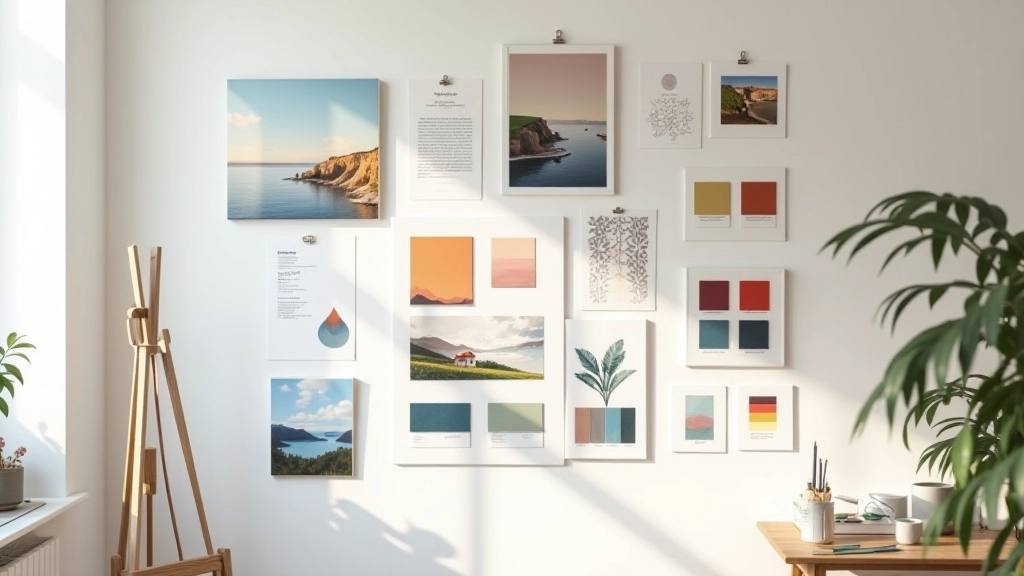
Start with a clear vision. Collect reference images, photos of your space, mood boards. The more visual material you bring to the consultation, the better the artist understands your direction. Don't be vague. "Something nice for my living room" is too open-ended. "A seascape with soft blues and golds, inspired by Portuguese coastal sunsets" gives the artist something concrete to work with.
Be honest about your budget. Artists appreciate clients who know what they can spend. If you've got a limited budget, say so. The artist might suggest a smaller size or a different medium that delivers impact at a lower cost. There's no shame in having constraints — it's just reality.
Provide timely feedback. When the artist shows you sketches or progress photos, respond within a reasonable timeframe. Delays in feedback push back the entire timeline. The artist is waiting for your input to move forward.
Trust the artist's expertise. You're hiring them because they're skilled. They'll suggest compositions, colour combinations, and techniques that work better than what you might have imagined. Collaborate, but don't micromanage. A good artist-client relationship balances your vision with their professional judgment.
The Golden Rule
Communication is everything. The best commissions happen when there's clear, ongoing dialogue between artist and client. You're not handing off a request and disappearing. You're actively involved in creating something meaningful together.
Understanding the Investment
Original fine art is an investment in several ways. Financially, a commissioned piece by an established artist often appreciates over time, especially if the artist's reputation grows. More importantly though, it's an investment in your environment and your daily experience. You'll live with this piece, see it every day, and it'll shape how your space feels.
Quality materials matter. A painting on archival canvas with professional-grade pigments will last generations. The same composition on cheap canvas with student-grade paint might fade or deteriorate within years. The artist's material choices reflect their commitment to longevity.
You're also investing in the artist's time and skill. Years of training, experimentation, and refinement go into each piece. An artist with 20 years of experience charges differently than someone just starting out — and that difference reflects proven quality.
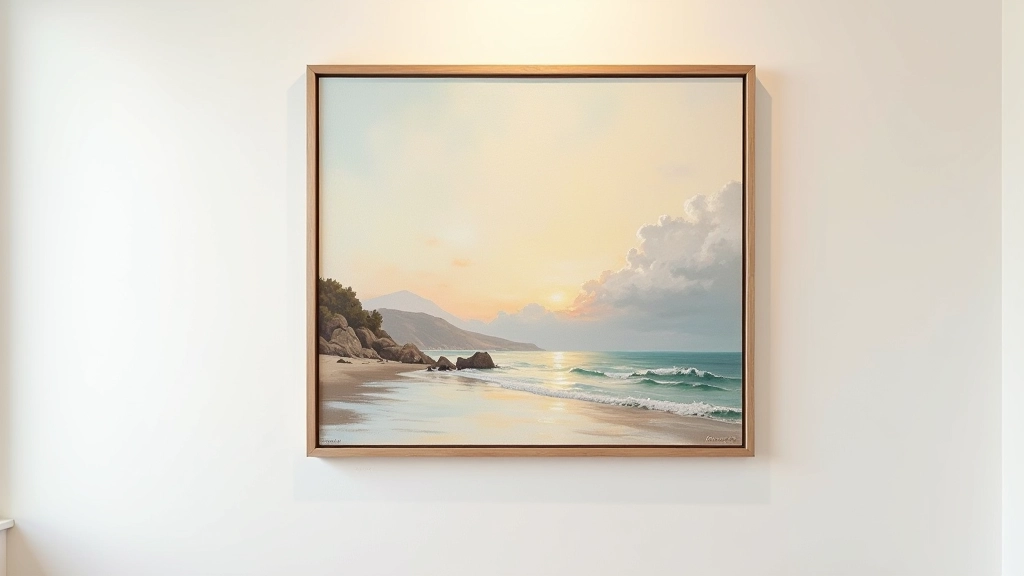
Ready to Commission Your Piece?
The process might seem involved, but it's designed to create something truly personal and meaningful.
Commissioning original fine art isn't complicated once you understand the stages. You'll have conversations, provide feedback, see your vision develop, and eventually receive a one-of-a-kind piece that's genuinely yours. It takes time. It requires communication. But the result — a painting that speaks to you, that fits your space perfectly, that carries the artist's skill and your specific vision — makes it worthwhile.
Whether you're drawn to landscape oils capturing Portuguese coastlines, watercolour seascapes with luminous water, or abstract expressionist works that evoke emotion without representation, the commission process remains consistent. Start with a clear vision. Find an artist whose work resonates with you. Collaborate thoughtfully. Trust the process.
Original fine art transforms spaces. More than that, it connects you to the artist's vision, their technique, their response to your specific request. That connection — that personal relationship between creator and collector — is what makes commissioned work special.
Begin Your Commission Journey
Have questions about commissioning original art? Interested in landscape oils, watercolour seascapes, or abstract expressionist works? Get in touch to discuss your vision and explore what's possible.
Contact the StudioAbout This Guide
This article provides educational information about the fine art commission process. While based on common industry practices, every artist and every project is unique. Timelines, costs, revision policies, and communication preferences vary significantly. Always discuss specific details with your chosen artist before beginning a commission. This guide isn't a substitute for direct communication with a professional artist or studio about your particular project needs.